
Soybean, scientifically known as “Glycine max”, is an ancient legume that has evolved into one of the most versatile and important crops on the planet. Originally native to East Asia, soybeans have become a global staple due to their high nutritional content, various culinary applications, and industrial uses. From health-conscious individuals to eco-friendly farmers, and from food manufacturers to sustainability advocates, soybeans offer an array of benefits that cater to diverse needs.
In this article, we will explore the various aspects of soybeans, including their history, nutritional benefits, environmental impact, economic importance, and how they are used across different industries. We’ll also delve into some of the potential concerns surrounding soybeans and why they are considered a superfood.
The Origins of Soybean
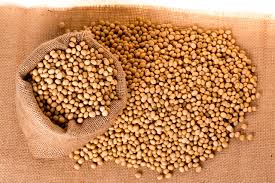
Soybean cultivation dates back thousands of years, believed to have originated in Northeast China around 3,000 years ago. Over time, soybeans spread to other parts of Asia and the world, becoming a major agricultural crop. In the 19th century, soybean cultivation expanded into the United States, Brazil, and Argentina, regions that are now major producers of the legume.
Soybeans are prized for their high protein content, making them an essential food source, particularly in regions where animal-based protein is scarce or expensive. The widespread use of soybeans has helped revolutionize the food industry, giving rise to soy-based products such as tofu, soy milk, tempeh, edamame, and soy protein isolate.
Nutritional Benefits of Soybean
One of the key reasons soybeans are widely regarded as a superfood is their impressive nutritional profile. They are rich in protein, healthy fats, vitamins, and minerals, making them an excellent dietary choice for vegetarians, vegans, and anyone seeking to improve their overall health.
High-Quality Protein
Soybeans are among the few plant-based foods that provide all nine essential amino acids, making them a complete protein source. This is particularly important for individuals following plant-based diets, as it is often difficult to obtain a complete protein without consuming animal products. A 100-gram serving of cooked soybeans contains around 17 grams of protein, which is comparable to meat, eggs, and dairy.
Soy protein is often used as a meat substitute in various plant-based products such as burgers, sausages, and protein powders. The digestibility and bioavailability of soy protein are high, meaning that the body can efficiently absorb and use the protein for muscle repair, immune function, and enzyme production.
Healthy Fats
Soybeans are also an excellent source of healthy fats, particularly polyunsaturated fats, including omega-3 and omega-6 fatty acids. These healthy fats play an essential role in maintaining heart health by reducing the levels of harmful cholesterol in the bloodstream, lowering the risk of cardiovascular diseases.
Additionally, soybeans contain a significant amount of monounsaturated fats, which are known to improve overall heart health by maintaining optimal blood pressure levels. Consuming healthy fats from soybeans can also support brain function, reduce inflammation, and contribute to a healthy metabolic rate.
Fiber-Rich
Soybeans are high in dietary fiber, with a 100-gram serving containing around 6 grams of fiber. Fiber is essential for digestive health, as it aids in regular bowel movements, prevents constipation, and supports gut health by promoting the growth of beneficial bacteria.
Furthermore, fiber can help manage blood sugar levels by slowing the absorption of sugar into the bloodstream, which is particularly beneficial for individuals with diabetes or those at risk of developing the condition.
Essential Vitamins and Minerals
Soybeans are rich in various essential vitamins and minerals, making them a nutrient-dense food. Some of the key nutrients found in soybeans include:
- – Iron: Soybeans are a good source of iron, which is crucial for the production of hemoglobin and the transport of oxygen in the blood. Iron is especially important for vegetarians and vegans, as plant-based sources of iron are often not as easily absorbed by the body as animal-based sources.
- – Calcium: Soybeans are rich in calcium, a mineral essential for bone health and the prevention of osteoporosis. Calcium also plays a role in muscle function, nerve transmission, and blood clotting.
- – Magnesium: This mineral is involved in hundreds of enzymatic reactions in the body, including energy production, protein synthesis, and muscle function.
- – B Vitamins: Soybeans are an excellent source of B vitamins, including folate, riboflavin, and thiamine, which are essential for energy metabolism and the proper functioning of the nervous system.
- – Vitamin K: This vitamin is vital for blood clotting and bone health, helping the body utilize calcium effectively.
Isoflavones: Natural Plant Compounds with Health Benefits
Soybeans are uniquely rich in isoflavones, a type of phytoestrogen that has been shown to have a variety of health benefits. Isoflavones mimic the effects of estrogen in the body and can help balance hormones, especially in women going through menopause. Research suggests that isoflavones may help reduce hot flashes, support bone health, and lower the risk of certain cancers, including breast and prostate cancer.
The three primary isoflavones found in soybeans are genistein, daidzein, and glycitein. These compounds have antioxidant properties, which means they can neutralize harmful free radicals in the body and reduce oxidative stress, potentially lowering the risk of chronic diseases such as cardiovascular disease, diabetes, and cancer.
Soybean’s Environmental Impact
In today’s world, sustainability is a growing concern, and many people are looking for ways to reduce their environmental footprint. Soybeans, being a legume, play a key role in sustainable agriculture because they have the ability to fix nitrogen in the soil. This means that soybeans enrich the soil with nitrogen, reducing the need for synthetic fertilizers and promoting soil health.
Additionally, soybeans are a relatively low-impact crop when compared to other plant-based foods. They require less water than crops like almonds, and they yield a high amount of protein per acre, making them an efficient source of plant-based nutrition. However, it is important to note that large-scale soybean production, particularly in countries like Brazil, has been associated with deforestation, as vast areas of rainforest are cleared to make way for soy farms. This practice contributes to habitat loss, biodiversity decline, and carbon emissions.
In recent years, efforts have been made to promote sustainable soybean farming practices. Certification programs like the Round Table on Responsible Soy (RTRS) encourage farmers to adopt eco-friendly practices, ensuring that soybeans are grown without causing harm to the environment.
Soybean in Various Industries
The versatility of soybeans extends beyond food and nutrition. The oil extracted from soybeans is used in a variety of products, from cooking oils to biodiesel. Soybean oil is one of the most commonly used oils in the world due to its mild flavor and high smoke point, making it ideal for frying, baking, and salad dressings.
Soy in Food Production
Soybeans are a key ingredient in many plant-based food products. Tofu, tempeh, and soy milk are just a few examples of popular soy-based foods that are widely consumed around the world. Tofu, often referred to as “soybean curd,” is made by coagulating soy milk and pressing it into blocks. It is an excellent source of plant-based protein and can be used in a variety of dishes, from stir-fries to smoothies.
Tempeh, a fermented soy product, has a firmer texture and nuttier flavor than tofu. It is rich in protein, fiber, and probiotics, making it a highly nutritious and versatile ingredient in vegetarian and vegan meals.
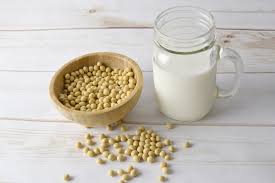
Soy milk, made by blending soaked soybeans with water, is a popular dairy-free alternative to cow’s milk. It is available in various flavors and can be used in coffee, baking, or simply enjoyed on its own. Many plant-based milk products, including almond, oat, and rice milk, are inspired by the success of soy milk as a dairy substitute.
Industrial Uses of Soybean
Soybean oil is also widely used in the production of biodiesel, a renewable and eco-friendly alternative to petroleum-based diesel. The growing demand for biodiesel as a sustainable energy source has boosted soybean cultivation in many regions. Additionally, soybeans are used in the production of animal feed, as the leftover meal after oil extraction is a high-protein, nutrient-rich ingredient used to feed livestock.
Furthermore, soybeans play a role in the production of plastics, adhesives, lubricants, and even ink. As manufacturers seek greener alternatives to petroleum-based products, soy-based materials are becoming increasingly popular due to their biodegradability and renewable nature.
The Future of Soybean Cultivation
Soybeans have undoubtedly become a cornerstone of modern agriculture, food systems, and industry. As demand for plant-based protein grows, soybeans will continue to play a key role in meeting global nutritional needs. However, there are challenges to address, including the environmental impact of large-scale soybean production, the potential for genetically modified soybeans, and the need for more sustainable farming practices.
Researchers are working to develop more drought-resistant, pest-resistant, and nutrient-rich soybean varieties to increase yields while reducing the environmental footprint. Additionally, with growing awareness of the importance of sustainable agriculture, there is a push to adopt regenerative farming practices, such as crop rotation, agroforestry, and reduced pesticide use, to make soybean farming more environmentally friendly.
Conclusion
Soybean is a remarkable legume that offers a wide range of health, environmental, and economic benefits. Its nutritional value, versatility in food production, and potential for sustainability make it a vital crop in today’s world. Whether you are looking to boost your protein intake, reduce your carbon footprint, or explore new culinary options, soybeans are a powerful and sustainable choice. However, it is essential to continue to support responsible and sustainable farming practices to ensure that the future of soybean cultivation benefits both people and the planet.