

There’s something magical about a field of coneflowers swaying in the breeze, their spiky centers catching the sunlight while their petals—vibrant pinks, purples, or even whites—dance around them. If you’ve ever stumbled across these beauties in a garden or a wild patch of prairie, you might’ve felt a little tug of wonder. Are they just pretty faces, or is there more to them? Spoiler alert: there’s way more. Coneflowers, often tied to the Echinacea genus, aren’t just eye candy—they’ve got history, grit, and a reputation that stretches from Native American healing traditions to modern-day herbal tea mugs. Let’s dig into what makes coneflowers and echinacea so special, and why they’ve earned a spot in both our yards and our medicine cabinets.

What’s in a Name?
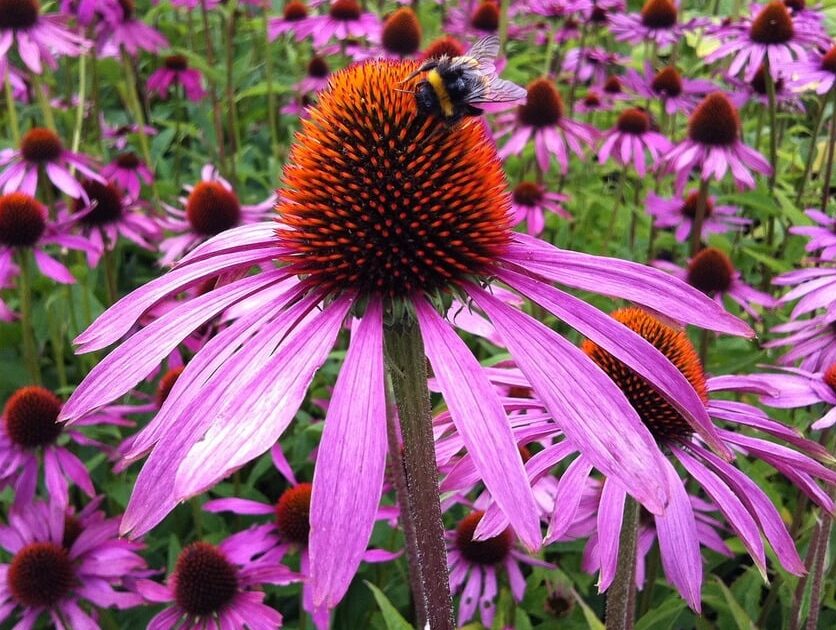
First off, let’s clear up the basics. Coneflowers are a group of flowering plants, most famously tied to the Echinacea genus, though the term “coneflower” can also apply to other plants like Rudbeckia (think black-eyed Susans). Echinacea, though, is the star of this show. Its name comes from the Greek word echinos, meaning hedgehog or sea urchin, which makes perfect sense when you look at its prickly, dome-shaped center. That spiky head is what gives it the “cone” in coneflower, and it’s a dead giveaway when you’re trying to spot it in the wild.
There are nine species of Echinacea native to North America, with Echinacea purpurea—aka purple coneflower—being the poster child. It’s the one you’ll most likely see in gardens or on the label of your cold-fighting tincture. Other species, like Echinacea angustifolia and Echinacea pallida, pop up too, especially in herbal circles, but purpurea’s the one that’s stolen the spotlight. These plants are tough as nails, thriving in the rocky soils and blazing summers of the Great Plains, from Texas up to Canada. They’re survivors, and that resilience is part of their charm.
A Botanical Love Letter
I’ve always had a soft spot for plants that don’t need coddling, and coneflowers fit the bill. They’re perennials, meaning they come back year after year, and they don’t throw tantrums if you forget to water them. In fact, they love full sun and can handle drought like champs. Picture this: a dusty roadside in late summer, heat shimmering off the asphalt, and there’s a patch of coneflowers just doing their thing, unbothered. That’s the kind of tenacity I can respect.
Their flowers aren’t just tough—they’re gorgeous in a rugged, unpolished way. The petals droop downward from that central cone, giving them a relaxed, almost carefree vibe. And those colors! Echinacea purpurea’s classic purple-pink is iconic, but breeders have gotten creative over the years. Now you can find coneflowers in shades of orange, yellow, red, and even green. My neighbor planted a row of ‘Hot Papaya’ coneflowers last year—bright orange with a double flower head—and I swear I stopped to stare every time I walked by. They’re not fussy, but they’ve got personality.
Plus, they’re pollinator magnets. Bees, butterflies, even the occasional hummingbird—they all flock to coneflowers. Watching a bumblebee fumble around that spiky center is nature’s version of comedy gold. And when the flowers fade? The seed heads stick around, feeding goldfinches and other birds through the fall. It’s like coneflowers are throwing a year-round party for wildlife.
The Medicine in the Meadow
But coneflowers aren’t just here to look pretty or feed the birds. Echinacea has a long history as a medicinal plant, and that’s where things get really interesting. Indigenous peoples of North America—like the Cheyenne, Sioux, and Kiowa—were using Echinacea long before it showed up in health food stores. They’d chew the roots for toothaches, brew teas for colds, or mash it into poultices for wounds and snakebites. It was a Swiss Army knife of a plant, and they knew it.
When European settlers rolled in, they caught on quick. By the late 1800s, Echinacea was a hot commodity in the U.S., thanks to a guy named H.C.F. Meyer. He was a patent medicine peddler who claimed his Echinacea concoction could cure everything from typhoid to diphtheria. Wild claims aside, it caught the attention of the Eclectics—a group of American doctors who favored plant-based remedies—and Echinacea became a staple in their toolkit. By the early 20th century, it was one of the top-selling herbs in the country.
Fast forward to today, and Echinacea’s still got a loyal fanbase. Walk into any pharmacy, and you’ll find it in capsules, tinctures, teas, even gummies. The big draw? Its supposed immune-boosting powers. People swear by it for warding off colds or cutting them short. My mom’s one of those believers—she’s got a bottle of Echinacea drops in her purse year-round, and the second I sneeze, she’s like, “Take some of this!” I’ll admit, I’ve humored her a few times, though I’m still not sure if it’s the Echinacea or just her mom-magic that does the trick.
Does It Actually Work?
Here’s where the rubber meets the road: does Echinacea really live up to the hype? Science has been poking at this question for decades, and the answer’s a bit of a shrug. Some studies say yes—it might help your immune system kick into gear, thanks to compounds like alkamides, polysaccharides, and caffeic acid derivatives. These goodies are thought to rev up white blood cells and fight inflammation. A 2015 review even found that Echinacea could lower your odds of catching a cold by about 35% if you take it preventatively.
But then there’s the other side. Plenty of studies—including some big ones—say it’s no better than a placebo. The catch? Echinacea’s a tricky plant to test. Different species, parts (root vs. flower), and prep methods (dried vs. fresh) can all change the outcome. Plus, your own immune system’s quirks play a role. It’s not like popping an ibuprofen where you feel the headache fade in 20 minutes—Echinacea’s effects are subtler, harder to pin down.
I’ve got a friend who’s a naturopath, and she’s all in on Echinacea. She told me once, “It’s not a cure—it’s a nudge. Your body’s gotta do the heavy lifting.” That stuck with me. Maybe it’s less about a magic bullet and more about giving your system a little backup. Still, if you’re skeptical, I get it. The jury’s still out, and honestly, sipping Echinacea tea just feels good sometimes, science or not.
Growing Your Own
If you’re sold on coneflowers—or even just curious—growing them is a no-brainer. They’re low-maintenance enough that even my black-thumbed self can handle them. Start with seeds or a nursery plant, plop them in well-drained soil, and give them a sunny spot. Water them while they’re getting established, but once they’re settled, they’ll pretty much take care of themselves. I planted some Echinacea purpurea in my backyard two summers ago, and they’ve been blooming like clockwork ever since. Bonus: they spread a little each year, so my patch keeps growing without me lifting a finger.
Harvesting for tea or tinctures is easy too. The roots are the traditional go-to—just dig them up in the fall after a couple years of growth, wash ’em, and dry ’em. Flowers and leaves work too, especially if you’re impatient (guilty). I tried making tea from the petals once—steeped them in hot water with a little honey—and it was earthy, a tad bitter, but kind of cozy. Not a daily drinker, but I’d do it again.
A Plant with Soul
What I love most about coneflowers and Echinacea isn’t the science or even the blooms—it’s the story. These plants have been around forever, toughing it out in harsh climates, helping people through sickness, and brightening up the world while they’re at it. They’ve got roots (literal and figurative) that run deep, connecting us to the land and the folks who figured out their secrets long ago.
Last summer, I took a road trip through Kansas, and I swear every other field had a splash of coneflowers poking up through the grass. I pulled over at one point, just to stand there and take it in. The wind was whipping, the sun was brutal, and those flowers didn’t care—they just kept standing tall. It’s cheesy, but I felt a little prouder to be human, knowing we’ve got plants like this in our corner.
The Takeaway
So, coneflowers and Echinacea—they’re more than just a garden staple or a bottle on the shelf. They’re a piece of history, a nod to resilience, and maybe even a quiet little healer if you buy into the lore. Whether you’re planting them for the butterflies, sipping them for a sniffle, or just admiring them from afar, they’ve got a way of sticking with you. Next time you see one, tip your hat. These spiky little wonders have earned it.